This weekend, I went up to see my boyfriend in London, and on one of the lovely Easter weekend days, we drove to Kent—where his brother lives—to spend the day and visit these specific gardens. Aside from the fact that the gardens were absolutely stunning, filled from bottom to top with flowers, plants, and herbs of every kind and colour, what really sparked my curiosity was one particular plant that smelled exactly like honey. And when I say exactly, I mean it—if you blindfolded me and placed that plant next to a jar of honey, there’s a very good chance I wouldn’t be able to tell the difference.
The plant is called Euphorbia mellifera, or more commonly, Honey Spurge. Its flowers deliberately mimic the strong scent of honey to attract bees and other pollinators, which helps improve its chances of pollination. And this plant really got me thinking about honey, and bees.

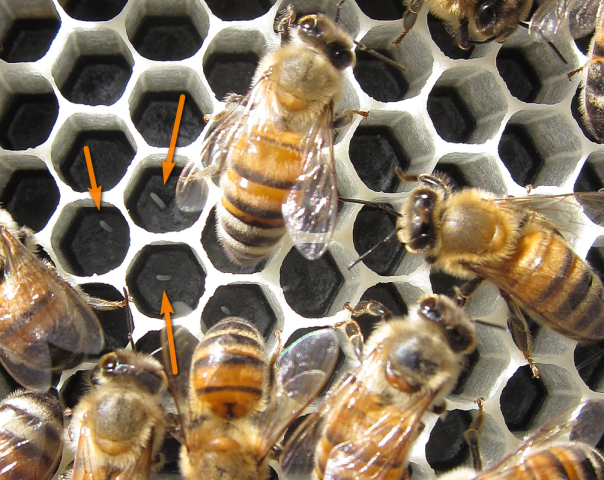
So after we had lunch I ended up chatting with my boyfriend’s brother about bees—he’s a bit of a bee enthusiast—and it turns out there’s actually so much to learn about these tiny creatures. For starters, there are essentially two types of honey bees: worker bees and drones. Worker bees are female (of course they are) and are basically the foundation, government, and leading body of each hive. They perform the majority of the tasks, including taking care of larvae, building honeycomb and cleaning hives, and gathering nectar, pollen and water. Typically the older female bees are the foragers, the nurse bees focus on the larvae and the house bees focus on the hive, but it is important to note that all the female bees, with the exception of the queen, are sterile. They can also gather together and cool down the hive by fanning their wings, or even protect it in case of danger. The male bees, on the other hand, have essentially one main job: to mate with a queen from another hive. Once these drones mate (in mid air!) they die (hahahha!!). And if you think that the drones can escape their fate by simply not mating, you would be wrong—when a drone fails to mate they’re kicked out of the hive before winter, since they drain resources. I got to say, so far I’m a fan of this matriarchal bee society. Finally, the most important bee of them all is the Queen bee. She’s, quite literally as her name describes, a Queen. Each hive has only one queen and her job is to produce eggs, all day long. Queens can produce up to 2,000 larvae a day! She also produces pheromones, which are essentially animal hormones, that keep the colony running smoothly. One of these pheromones is called the Queen Mandibular Pheromone (QMP), and its produced in her mandibular glands, near her mouth. It allows her to tell the workers that she’s healthy and present, as well as inhibit other females from developing ovaries— keeping worker bees sterile and focused on work. So maybe she’s a bit more like a dictator? The bees detect this pheromone by licking and touching the queen bee, a routine they call retinue. Those bees then pass the pheromones to other bees through contact or food sharing, essentially spreading the message across the hive.

But what happens when a queen dies? Well, the short answer is that its a really big deal for the hive! It’s like losing the heart of the colony, a close family member. But bees are super organized, unlike us humans, and have emergency plans in place for this occasion. Immediately after she dies, the pheromones we just spoke of disappear, and they do so quickly. The workers sense the absence of the queen within hours, and they immediately select young larvae, that are less than three days old, from regular worker cells. These larvae are fed only royal jelly, which as its name suggests is a super-nutritious secretion from the nurse bees. This diet helps the larvae reprogram into developing a Queen instead of worker. So I guess they’re chemically engineered? Maybe bees are more advanced in genetic engineering then we thought! The chosen larvae are then moved into special vertical queen cells, that were built specifically and are much larger than regular ones. At this point, several queen larvae are usually raised at once, and when the first queen emerges she makes a special piping noise and seeks out the other queen cells. Very animalistic if you ask me. She then proceeds to sting and kill the other developing queens before they even get a chance to hatch. So really its just a who-can-hatch-the-quickest game. After all of this chaos, the new queen bee goes on a mating flight for a few days— girl needs her honeymoon (pun intended) after that brutal massacre— where she mates with up to 15+ drones in mid-air, taking sperm for her entire life. Yup, you read that right, when queen bees mate they don’t produce eggs right away, she keeps them inside herself, the safest place there is, until she returns to her hive and begins laying those eggs. Now since she has control over the sperm she stores— from her honey-moon rendezvous— she gets to decide whether to produce a fertilised egg, which will be female and become a worker or a queen, or a unfertilised male, that becomes a drone. She essentially releases or withholds sperm depending on what the colonies needs are. For females, she releases the sperm into the small cells and for the males they remain unfertilised. She does this until she dies and then the process starts all over again. So really, her life isn’t all that great: she’s born, kills all the other eggs, flies away for a brief trip where she mates, comes back, and thats it, that’s all the action she gets.
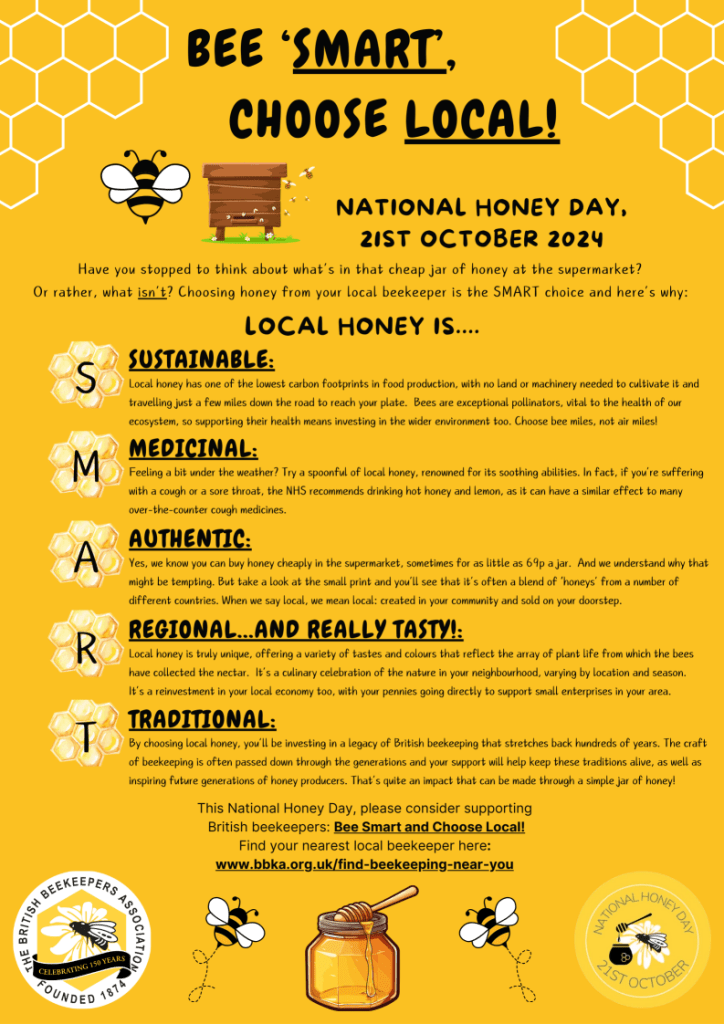
But why am I even talking about bees? Well if you haven’t caught on yet— they’re cool as heck! But they are also super important to our ecosystems, and environments. They’re main role is to pollinate, they pollinate about 1 in 3 of every bite of food we eat! So imagine how you’d feel if one day we woke up and there were not more bees. They help fertilize 80% of all flowering plants including fruits and vegetables like apples, berries, tomatoes as well as nuts like almonds, and even coffee and cocoa. So essentially all morning foods are out the window. They also provide a lot of support to wildlife, as they pollinate food for birds, insect and mammals. If bees vanish, the food chain isn’t looking too good. They promote genetic diversity in plants, helping our ecosystem adapt to change and they help forests, meadows and gardens thrive and regenerate. But bees are in trouble, and the cause is us! No shock there. Pesticides, and climate change can kill bees and effect blooming timings Diseases and habitat loss from industrial farming wipes out wildflowers for the bees to feed from. So what can we do? Well i would start off with buying honey from your local beekeepers, in the UK you can even go online and find your closest beekeepers, not only are you helping them continue such important work and their passion, but you are going to get the best of the best. We can also plant bee-friendly gardens, that have native wildflowers and herbs like lavender, thyme and rosemary that bees love so much, and of course avoid pesticides.
That’s it for today, I hope you enjoyed my first blog all about the bees. There will be many more to come, but feel free to leave a comment and tell me what you think!
 ALICE EXPLAINS
Leave a comment